Showing posts with label Heart Hospitals in India. Show all posts

Wednesday, 3 February 2016

Benefits of Minimally Invasive Heart Valve Surgery in India - Top Heart Hospitals in India

Heart Valve Repair or Replacement Surgery in India
Heart Valve Repair
Heart valve repair is a surgical or minimally invasive procedure that corrects a heart valve that is not functioning properly. Heart valve repair usually involves the heart valve leaflets that open and close to pump blood through the heart.
Your cardiac surgeon shall investigate and advise if repairing your heart valve is the best way to treat your heart valve disease.

Heart Valve Replacement
When valve repair shall not be of help, replacing your damaged heart valve may be the most effective treatment for your condition. Also known as Heart Valve Replacement, Aortic Valve Replacement, is a cardiac surgery procedure in which the damaged heart valve is replaced with a new valve. This valve can be a tissue valve taken from some other body, or may be of animal or an artificial or prosthetic valve.
Heart valve repair or replacement can be done for one single valve or more than one depending upon the condition of your valves.


Valve replacement Surgery procedure
The patient is put under general anaesthesia and connected to the heart lung machine. This machine takes over the pumping, circulatory, and respiratory functions of the heart and lung till the surgical procedure is going on.
The valves are accessed by cutting open the rib cage and accessing the heart directly. The old valves are sliced from their attachments and new valves are put in their place. The new valves may be obtained from a cadaveric donor, or an animal (pig) or it may be made of a nonreactive inert material.
The patient needs to be given anticoagulants or immunosuppressive to clotting of blood or rejection of organ. The prognosis of this surgery is good. It is many a time a life-saving and life extending surgery.

Types of Heart Valve Replacement:-
Open-heart valve replacement surgery It is a surgical procedure wherein the patient's heart is exposed in the operation theatre and surgery is performed on the internal structures of the heart. During the surgery, the patient is placed on a heart-lung machine that allows blood to flow through the heart while the surgery is being performed.
Minimally Invasive Heart Surgery Minimally Invasive Heart Surgery, also known as Keyhole surgery, is performed by making small incisions of about 3 to 4 inches in the heart muscle, through specialized surgical instruments. In most cases, minimally invasive heart surgery focuses on Mitral valve repair, Aortic valve repair and Tricuspid valve repair.
Valvuloplasty : It is a technique wherein the stiff aortic valves are treated with the help of a balloon catheter. The balloon is positioned in the aortic valve and subsequently inflated to expand the size of the valve, leading to improved blood flow.


Double valve repair and replacement procedure aims at correcting or replacing both these damaged valves (aortic & mitral together) with new functional valves. This is done through the open heart surgery. Triple valve replacement repair and replacement means repair or replacement of three valves of the heart.
Benefits of Minimally Invasive Valve Surgery in India
Minimally invasive mitral valve repair is performed through a two-inch keyhole incision on the side of the chest. The port access technique is a step ahead in that the incision is even smaller and the whole operation is video-directed, whereas in non-port access minimally invasive mitral valve surgery, the operation is done by direct vision. The minimally invasive approaches avoid an incision in the breastbone (sternotomy) and have several benefits like:
• Less pain
• Shorter stay in hospital. Hence, patients return to work and everyday activity sooner after surgery.
• Less bleeding
• Fewer chances of infection as the incision is smaller
• Cosmetic benefits

Friday, 6 November 2015

Pacemaker implantation Surgery in India | Cost of Pacemaker Surgery in India

Heart rhythm problems (arrhythmia) occur when the electrical impulses produced by your heart that coordinate heartbeat do not function properly, causing your heart to beat too quickly, too slowly, or irregularly. Age increases the probability of experiencing an arrhythmia. It can occur in people who do not have heart disease. Some heart arrhythmias are harmless, though some types, such as ventricular tachycardia (fast heart rates), are serious and even life threatening.

Pacemakers represent one of the earliest and most successful nonpharmacological therapy for arrhythmias. Millions of pacemakers have been implanted since the very first pacemaker was implanted. Drugs are no longer used except in the very acute setting before implantation of a temporary or permanent pacemaker.

A cardiac pacemaker is a device that is used to regulate the heart rate.
If you have been found to have a heartbeat that is too slow, a pacemaker can be implanted in the body to take over the function. This small electronic device automatically monitors and regulates the heartbeat, by transmitting electrical impulses to stimulate the heart when it is beating too slowly. A pacemaker consists of a pacing lead and a pulse generator. Single chamber pacemakers have only a single lead while dual chamber pacemakers have two leads with one lead in the atrium and the other in the ventricle. Dual chamber pacemakers are more physiological but more expensive.

Types of pacemakers

Single chamber pacemakers are pacing systems that use one lead in either the right atrium or the right ventricle of your heart.

A single lead in the right atrium is commonly used in conditions where the normal pacemaker of the heart is not working adequately, such as in the case of sick sinus syndrome. Atrial pacing is used when the sinus node is sending out signals that are too slow or irregular. However, to use this method of pacing, the rest of the heart's normal conduction system must be functioning normally.

More commonly, the single lead is placed in the right ventricle to help correct a slow or irregular heart beat. This is most often the case when the electrical flow is slowed or blocked in the region of the atrio-ventricular (A-V) node and the normal impulses from the atria cannot reach the ventricle. This would result in too slow a heart beat. The pacemaker system would keep the heart beating at a steady rate

Dual chamberpacemakers are pacemaker systems that use a lead in the right atrium as well as the right ventricle (figure 6). This type of pacing most closely mimics the heart's normal conduction pattern by pacing sequentially from atria to ventricle thus maximizing the heart's pumping ability. By having a lead in both the atria and ventricle the pulse generator is able to continuously regulate the heart's electrical activity in both chambers. These are the most commonly used pacemakers at the present time.

Commonly asked questions about pacemakers

Will I need to make any lifestyle changes after my pacemaker is implanted?
There are no significant lifestyle changes that you will need to make as a result of having a pacemaker implanted. Most patients resume their normal activities soon after implantation. Specific issues or concerns should be addressed with your pacemaker physician or nurse.
How often will I need to have my pacemaker checked?
Your pacemaker system will need to be evaluated by your pacemaker physician, nurse, or your local cardiologist's office at least twice yearly. A special computer called a programmer is used to perform a comprehensive evaluation of your pacemaker system. The programmer has a wand (like a computer mouse) that is used to communicate with the pacemaker. The wand is placed on your chest directly over the pulse generator and a radio wave signal is used to send and receive information from the pulse generator. Changes in the pacemaker settings can be done via this method as well. A complete assessment of the pacemaker's sensing and pacing functions, battery life, and diagnostic information is obtained, which enables your pacemaker physician/nurse to fine tune your care.
How is the battery changed?
The battery that is used to power your pulse generator is tightly sealed within the metal shell of the device. Therefore, when the battery's energy is depleted a whole new pulse generator must be implanted. The skin over the pulse generator site is numbed up with local anesthetic. You may also receive a light sedative through a intravenous line to help you relax. A new incision is made in the skin and the pacemaker pocket is opened. The pulse generator is removed and lead(s) disconnected. At this time the lead(s) are hooked to a special analyzer that evaluates the lead(s) for any evidence of potential malfunction. A new pulse generator is then attached to the lead(s) and the system is reimplanted in the same pocket. The incision is sutured (sewn) together and a small dressing applied. Most patients can go home the same day as their procedure.
Can I use a microwave?
Microwave ovens will not interfere with the proper functioning of your pacemaker. You can use a microwave oven without concern.
Can I use a cell phone?
It is possible that a cellular phone might interfere with the normal functioning of your pacemaker. The interaction is temporary, however, and will only affect the pacemaker during the time that your cellular phone is close to your pacemaker. To avoid this potential interference, it is recommended that you hold the cellular phone on the opposite side of your body away from the pacemaker. You should also not store your cellular phone in your breast pocket.You should always try to maintain a distance of at least 6 inches between your cellular phone and your pacemaker system.
Do I have to take any precautions at the airport?
If you were to walk through the metal detector at the airport, it will not harm you nor your pacemaker. However, because the pacemaker is encased in a metal shell, it is possible that the pacemaker may set off the security alarm. To avoid this problem, it is generally recommended that you show your pacemaker identification card to the security agent and inform him/her that you have an implanted pacemaker system. They should let you pass around the metal detector. If the airport security wants to scan you with the "hand wand", they can everywhere except over the device. This information also pertains to any metal detector such as at a courthouse or federal building.


Sunday, 25 October 2015

Heart Valve Repair or Replacement Surgery in India - Best Heart Hospital India

Heart Valve Repair or Replacement Surgery 

Blood is pumped through your heart in only one direction. Heart valves play a key role in this one-way blood flow, opening and closing with each heartbeat. Pressure changes on either side of the valves cause them to open their flap-like "doors" (called cusps or leaflets) at just the right time, then close tightly to prevent a backflow of blood.
There are 4 valves in the heart:
  • Tricuspid valve
  • Pulmonary valve
  • Mitral valve
  • Aortic valve

Nearly all of these operations are done to repair or replace the mitral or aortic valves. These valves are on the left side of the heart, which works harder than the right. They control the flow of oxygen-rich blood from the lungs to the rest of the body.

Valve Disease
If valve damage is mild, doctors may be able to treat it with medicines. If damage to the valve is severe, surgery to repair or replace the valve may be needed.

What is valve repair?
Valve repair can usually be done on congenital valve defects (defects you are born with) and has a good success record with treating mitral valve defects.
Here are some procedures surgeons may use to repair a valve:
  • Commissurotomy, which is used for narrowed valves, where the leaflets are thickened and perhaps stuck together. The surgeon opens the valve by cutting the points where the leaflets meet.
  • Valvuloplasty, which strengthens the leaflets to provide more support and to let the valve close tightly. This support comes from a ring-like device that surgeons attach around the outside of the valve opening.
  • Reshaping, where the surgeon cuts out a section of a leaflet. Once the leaflet is sewn back together, the valve can close properly.
  • Decalcification, which removes calcium buildup from the leaflets. Once the calcium is removed, the leaflets can close properly.
  • Repair of structural support, which replaces or shortens the cords that give the valves support (these cords are called the chordae tendineae and the papillary muscles). When the cords are the right length, the valve can close properly.
  • Patching, where the surgeon covers holes or tears in the leaflets with a tissue patch.
What is valve replacement?
Severe valve damage means that the valve will need to be replaced. Valve replacement is most often used to treat aortic valves and severely damaged mitral valves. It is also used to treat any valve disease that is life-threatening. Sometimes, more than one valve may be damaged in the heart, so patients may need more than one repair or replacement.
There are 2 kinds of valves used for valve replacement:
  • Mechanical valves, which are usually made from materials such as plastic, carbon, or metal. Mechanical valves are strong, and they last a long time. Because blood tends to stick to mechanical valves and create blood clots, patients with these valves will need to take blood-thinning medicines for the rest of their lives.
  • Biological valves, which are made from animal tissue (called a xenograft) or taken from the human tissue of a donated heart (called an allograft or homograft). Sometimes, a patient's own tissue can be used for valve replacement (called an autograft). Patients with biological valves usually do not need to take blood-thinning medicines. These valves are not as strong as mechanical valves, though, and they may need to be replaced every 10 years or so. Biological valves break down even faster in children and young adults, so these valves are used most often in elderly patients.
You and your doctor will decide which type of valve is best for you.
During valve repair or replacement surgery, the breastbone is divided, the heart is stopped, and blood is sent through a heart-lung machine. Because the heart or the aorta must be opened, heart valve surgery is open heart surgery.

What to Expect
The operation will usually be scheduled at a time that is best for you and your surgeon, except in urgent cases. As the date of your surgery gets closer, be sure to tell your surgeon and cardiologist about any changes in your health. If you have a cold or the flu, this can lead to infections that may affect your recovery. Be aware of fever, chills, coughing, or a runny nose. Tell the doctor if you have any of these symptoms.

Also, remind your cardiologist and surgeon about all of the medicines you are taking, especially any over-the-counter medicines such as aspirin or those that might contain aspirin. You should make a list of the medicines and bring it with you to the hospital.
It is always best to get complete instructions from your cardiologist and surgeon about the procedure, but here are some basics you can expect when you have valve repair or replacement surgery.

Before the Hospital Stay
Most patients are admitted to the hospital the day before surgery or, in some cases, on the morning of surgery.
The night before surgery, you will be asked to bathe to reduce the amount of germs on your skin. After you are admitted to the hospital, the area to be operated on will be washed, scrubbed with antiseptic, and, if needed, shaved.
A medicine (anesthetic) will make you sleep during the operation. This is called "anesthesia." Because anesthesia is safest on an empty stomach, you will be asked not to eat or drink after midnight the night before surgery. If you do eat or drink anything after midnight, it is important that you tell your anesthesiologist and surgeon.
If you smoke, you should stop at least 2 weeks before your surgery. Smoking before surgery can lead to problems with blood clotting and breathing.

Day of Surgery
Before surgery, you may have an electrocardiogram (ECG or EKG), blood tests, urine tests, and a chest x-ray to give your surgeon the latest information about your health. You will be given something to help you relax (a mild tranquilizer) before you are taken into the operating room.

Small metal disks called electrodes will be attached to your chest. These electrodes are connected to an electrocardiogram machine, which will monitor your heart's rhythm and electrical activity. You will receive a local anesthetic to numb the area where a plastic tube (called a line) will be inserted in an artery in your wrist. An intravenous (IV) line will be inserted in a vein. The IV line will be used to give you the anesthesia before and during the operation.

After you are completely asleep, a tube will be inserted down your windpipe and connected to a machine called a respirator, which will take over your breathing. Another tube will be inserted through your nose and down your throat, into your stomach. This tube will stop liquid and air from collecting in your stomach, so you will not feel sick and bloated when you wake up. A thin tube called a catheter will be inserted into your bladder to collect any urine produced during the operation.

A heart-lung machine is used for all valve repair or replacement surgeries. This will keep oxygen-rich blood flowing through your body while your heart is stopped. A perfusion technologist or blood-flow specialist operates the heart-lung machine. Before you are hooked up to this machine, a blood-thinning medicine called an anticoagulant will be given to prevent your blood from clotting. The surgical team is led by the cardiovascular surgeon and includes other assisting surgeons, an anesthesiologist, and surgical nurses.

After you are hooked up to the heart-lung machine, your heart is stopped and cooled. Next, a cut is made into the heart or aorta, depending on which valve is being repaired or replaced. Once the surgeon has finished the repair or replacement, the heart is then started again, and you are disconnected from the heart-lung machine.\

The surgery can take anywhere from 2 to 4 hours or more, depending on the number of valves that need to be repaired or replaced.

Recovery Time
You can expect to stay in the hospital for about a week, including at least 1 to 3 days in the Intensive Care Unit (ICU).

Recovery after valve surgery may take a long time, depending on how healthy you were before the operation. You will have to rest and limit your activities. Your doctor may want you to begin an exercise program or to join a cardiac rehabilitation program.
If you have an office job, you can usually go back to work in 4 to 6 weeks. Those who have more physically demanding jobs may need to wait longer.


Minimally invasive heart valve surgery is a technique that uses smaller incisions to repair or replace heart valves. This means there is less pain. Minimally invasive surgery also reduces the length of the hospital stay and the recovery time.
Minimally invasive valve surgery can only be done in certain patients. This type of surgery cannot be done in patients
  • With severe valve damage
  • Who need more than one valve repaired or replaced
  • Who have clogged arteries (atherosclerosis)
  • Who are obese
In some cases, minimally invasive valve surgery can be done using a robot. Robotic surgery does not require a large incision in the chest. It is not available at all hospitals, and patients with severe valve damage cannot have the procedure. The Texas Heart Institute has a robot.

With robotic surgery, the surgeon has a control console, a side cart with 3 robotic arms, a special vision system, and instruments. A computer translates the surgeon's natural hand and wrist movements made on the control console to instruments that have been placed inside the patient through small incisions. The robot's controls can read even the tiniest of movements the surgeon makes.
Robotic surgery can reduce the time it takes to do valve surgery, as well as shorten the hospital stay and recovery time. 

Robot Heart Surgery Hospital in India


In addition to avoiding the pain and trauma of sternotomy and rib spreading, robotic mitral valve repair may provide patients with the following benefits over open surgery:
  • Less risk of infection
  • Less blood loss and need for blood transfusions
  • Shorter hospital stay
  • Significantly less pain and scarring
  • Faster recovery
  • Quicker return to normal activities
  • And a potentially better clinical outcome|
What is the Mitral Valve?

What is Mitral Valve Prolapse?Mitral Valve Prolapse Treatment OptionsValve Replacement  - In valve replacement, your surgeon cuts out the damaged valve and replaces it with a new, artificial valve.Valve Repair  - Valve repair involves the surgeon reconstructing your valve using your own tissues.
  • Stenosis (narrowing) of the mitral valve
  • Regurgitation (leakage) of the mitral valve
  • Blockages in the heart's arteries
  • Severe chest pain ( angina ) that has not improved with medicines
                 Please note that not all patients are candidates for robotic surgery. Your surgeon will provide you with the most appropriate treatment option after thoroughly assessing your condition.

The mitral valve controls blood flow through the left side of the heart. When it opens, the mitral valve allows blood to flow into the left ventricle, the heart’s main pumping chamber. When the left ventricle contracts, the mitral valve closes in order to prevent blood from flowing back toward the lungs.

Sometimes the mitral valve is abnormal from birth. It can also become damaged by infection, with age or from heart disease.

If the mitral valve leaflets cannot tightly seal the left ventricle, this is called prolapse. With mitral valve prolapse, some blood flows back into the atrium – a condition called regurgitation. Regurgitation can make the heart work harder, leading to further valve damage and increasing the risk of heart failure.

The treatment options available to a person with mitral valve prolapse depend on the severity of your condition. Some patients may not require any intervention. Others may be prescribed medications. However, if your symptoms become severe, your doctor may recommend mitral valve prolapse surgery. There are two basic types of valve prolapse surgery:
Robot Assisted Heart Procedures are done to treat a variety of conditions:
1. Robot Assisted Mitral Valve Repair may be used to treat:2. Robot Assisted Coronary Artery Bypass Grafting (CABG) may be used to treat3. Robot-assisted Atrial Septal defect repair may be used to treat a hole between the upper chambers of the heart that does not close properly during foetal development.
4. Robot-assisted Biventricular Pacemaker lead placement may be used to treat heart failure due to Atrial Fibrillation (irregular heart rhythm in the upper chambers of the heart)

Tuesday, 20 October 2015

Advanced Interventional Cardiology Procedures in India - Best Heart Sugery Hospital India

Heart Surgery in India
A new preventative treatment for heart attacks could cut repeat problems in victims and save lives, doctors believe. In heart operations, patients are usually fitted with a stent - a thin mesh tube - in the artery that triggered the heart attack to restore the blood flow, a treatment known as angioplasty.

It is common for other arteries to narrow in heart attack patients. Under the new technique, all narrowed arteries are opened with stents to prevent future problems. Medical guidelines recommend that specialists only treat the artery which is blocked.

The preventative technique found that patients with stents placed in all narrowed arteries were 64% less likely to die, suffer another serious heart attack or have severe angina over the next two years. The trial involved 465 patients in four specialist heart units between 2008 and this year.

Currently, following a heart attack, patients undergo an emergency operation called an angioplasty. During this procedure a stent is inserted into the blocked artery to restore normal blood. However, around half the patients also have significant narrowings in other arteries which could cause another heart attack in the future. The trial showed some of the most striking results for a treatment that I have ever seen. The results of this trial really challenge clinical practice.
Heart specialists want a larger study to further test the new treatment. The trial shows very clearly that patients have a much better outcome if these other narrowed arteries are stented at the same time as the one that triggered the attack. This strategy is also much more cost effective for the health service.
  Interventional Cardiology Procedures for HeartDiseases
Stents - Approximately 70% of angioplasty procedures also involve stenting, which is the insertion of a small metal cylinder called a stent into a blood vessel. In this procedure, a collapsed stent is placed over the balloon at the tip of the catheter. When the balloon inflates, the stent pops open and reinforces the artery walls. The balloon and catheter are then withdrawn and the stent inside permanently. In a few weeks, tissue from the artery lining grows over the stent.There are two types of stents. Bare-metal stents are plain, untreated metal cylinders. Drug-eluting stents (also called drug-coated stents) are coated with medication before they are placed in the artery.

Balloon Angioplasty - Balloon Angioplasty is a procedure in which a narrowed heart valve is stretched open in a way that does not require open heart surgery.It is a procedure in which a thin tube (catheter) that has a small deflated balloon at the tip is inserted through the skin in the groin area into a blood vessel, and then is threaded up to the opening of the narrowed heart valve. The balloon is inflated, which stretches the valve open. This procedure cures many valve obstructions. It is also called balloon enlargement of a narrowed heart valve.


 Rotablation (Percutaneous Transluminal Rotational Atherectomy or PTRA) - A special catheter, with an acorn-shaped, diamond-coated tip, is guided to the point of narrowing in the coronary artery. The tip spins around at a high speed and grinds away the plaque on the arterial walls. This process is repeated as needed to treat the blockage and improve blood flow. The microscopic particles are washed safely away in your blood stream and filtered out by your liver and spleen.


 Drug-Eluting Stents - A drug-eluting stent (DES) is a coronary stent (a scaffold) placed into narrowed, diseased coronary artery. It slowly releases a drug to block cell proliferation. This prevents fibrosis that, together with clots (thrombus), could otherwise block the stented artery, a process called restenosis. The stent is usually placed within the coronary artery by an Interventional cardiologist during an angioplasty procedure.


Coronary Angiography - $700 US Dollars

Coronary Angioplasty (Including One Stent) - $7400 US Dollars

Coronary Angioplasty (Including Two Stent) - $11000 US Dollars

For more information visit:         http://www.mymedopinion.com   
                  
Please scan and email your medical reports  to us at free@mymedopinion.com and we shall get you a Free Medical Opinion from India’s Best Doctors.
About MyMedOpinion.com

MyMedOpinion affiliated  Best hospitals in India provide an medical opinion from experienced surgeons and the treatment cost includes companion stay  , surgeon fee, medicines and consumables, nursing care, patient's food and airport pick up & drop etc. etc. We offer free, no obligation assistance to international patients to find world class medical treatment in India. We offer support and services to facilitate the care you require. We can help you find the best hospital in India

Send us a Medical Report to Get FREE Medical Opinion from India's Top Doctors

MyMedOpinion.com  is the hub of Surgeons and specialists for major diseases. We give you a chance to speak to our doctors and discuss your health issues directly. 
Email Us: Free@mymedopinion.com  Call Us: +91-7503537224

Wednesday, 14 October 2015

Heart Valve Replacement Surgery at MyMedOpinion Affiliated Best Heart Hospitals in India

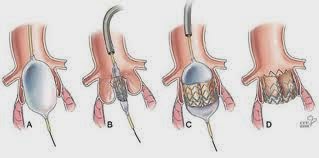
 Medical professionals have recently given a new hope of life to all those heart patients in India, who couldn't undergo open chest surgery due to aging factors or any other complication. India’s first non-operative procedure to replace the damaged aortic heart valve gives a ray of hope to elderly people unfit to undergo surgery.

Doctors at MyMedOpinion affiliated Heart Institute recently performed the path-breaking procedure— per cutaneous trans catheter aortic valve  implantation (TAVI) — on three people above 70 years of age, with damaged aortic heart valve, who were declared inoperable because of their age and underlying medical conditions such as lung or kidney problem, previous heart surgery etc.

“The conventional valve replacement surgery is a major surgery where the heart is exposed by cutting open the chest, but in this procedure, the artificial valve is mounted on a catheter and inserted thorough the femoral artery with a puncture in the groin. It’s more like an angioplasty that is performed in the cath lab under general anesthesia.

The procedure takes about two hours and the person can go home by the fourth day.

Open heart surgery to replace the heart valve remains the first preference of doctors, but for those who cannot be operated on, this technique is a boon. More than 30 percent people with AS can’t undergo open chest surgery due to old age and other complications. For such patients, TAVI will prove to be a fresh lease of life, without which they wouldn't have life expectancy of more than one year.

At present, the valve is known to last up to 15 years, and the  surgery costs much less than at similar hospitals in USA. After the age of 75 years, 5% population is at the risk of developing a problem in their heart valve, out of which 35% are not suitable for surgery. If not treated, 50% of them will not survive for more than two years.

“I’m happy that I got it done here, otherwise would have had to go to the United States and get it done at an exorbitant price,” said  an 80 year old  patient  who the doctors say would not have survived for more than a year, if the procedure had not been performed.

Send us a Medical Report to Get FREE Medical Opinion from India's Top Doctors MyMedOpinion.com is the hub of Surgeons and specialists for major diseases. We give you a chance to speak to our doctors and discuss your health issues directly.